Choosing the Right Wheelchair: Manual, Power and Scooters
Choosing a wheelchair is not really about the chair. It is about the person, how they move, where they live, and what they want to be able to do. The right chair, fitted properly, is the difference between equipment that sits in a corner and equipment that genuinely opens up daily life. This guide covers the main types, how to decide between them, and how funding works, for people across the Central West and regional NSW.
Manual, power or scooter: the honest differences
There is no single best option. There is the option that fits the person.
- Manual wheelchairs are lighter, simpler and easier to transport. They suit people who have the upper-body strength to self-propel, or who have a carer to assist. A well-specified manual chair can be highly customised for posture and comfort.
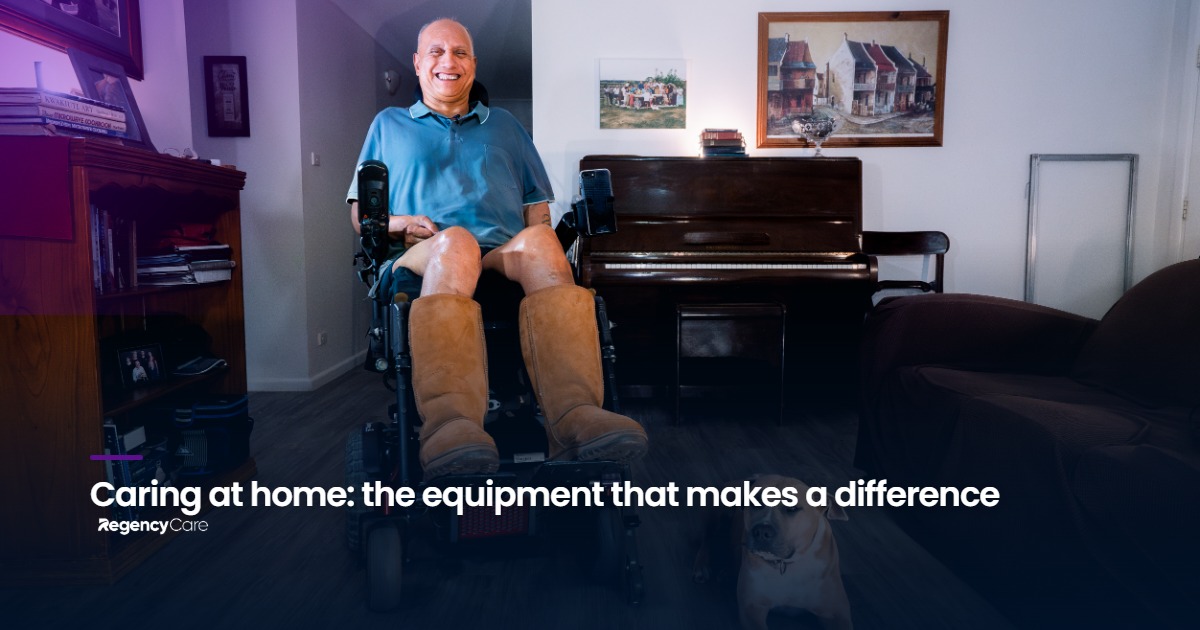
- Power wheelchairs do the moving for you. They suit people who cannot self-propel safely or comfortably, or who need to travel longer distances independently. They are heavier and need more thought about transport and home access, but for the right person they are transformational.
- Mobility scooters suit people who can walk short distances and transfer independently, but who need help covering ground, to the shops, around town, to appointments. They are not a substitute for a properly fitted wheelchair for full-time users, but for the right person they restore a lot of freedom.
Why fitting and measurement matter more than the brand
A chair that is the wrong size does more harm than good. Poor fit causes pain, pressure injuries, poor posture and fatigue, and it can make a person less independent, not more. Proper measurement, seat width and depth, back height, cushion and support, is what makes a chair work. This is why a careful assessment with an occupational therapist, and a supplier who fits the equipment in person, is worth far more than the lowest online price.
How the NDIS funds a wheelchair
Most wheelchairs are funded through the Assistive Technology part of your NDIS plan. Where your chair sits in the cost tiers decides how much evidence you need: a standard manual chair may be mid-cost, while a custom power chair with specialised seating is usually high-cost and needs a formal OT assessment and a quote. Because custom chairs take time to assess, approve and build, it helps to know the timeline before you start. Our guide on how long an NDIS wheelchair takes walks through each stage and where the delays usually happen.
Servicing: the part people forget
A wheelchair is equipment you rely on every day, and like any equipment it needs servicing, tyres, batteries, brakes, seating adjustments as needs change. A local supplier who can service and repair what they supply keeps you safe and keeps the chair working for its full life, rather than leaving you stranded waiting on a city repairer.
Getting it right close to home
Regency Care assesses alongside your occupational therapist, quotes correctly the first time, fits the chair in person and services it when it needs it, from our Parkes hub and across the Central West. If you are weighing up manual versus power, or just not sure where to start, the easiest first step is a conversation. Book an assessment or call 1300 622 122.