What to look for when choosing an electric adjustable bed
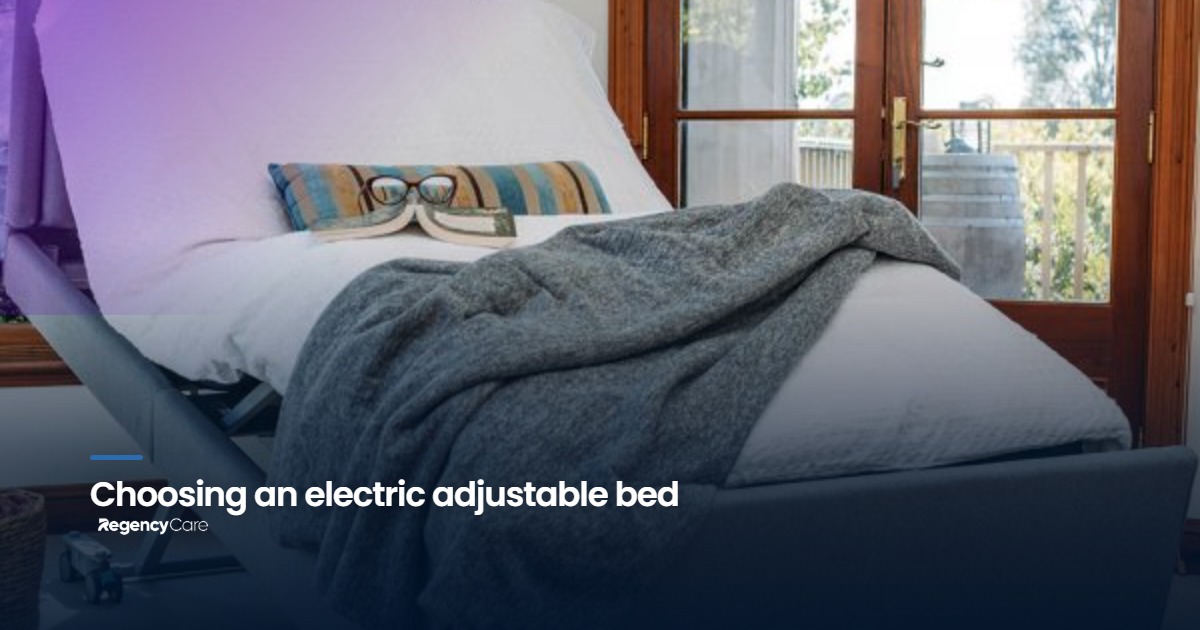
An electric adjustable bed is one of the most quietly life-changing pieces of equipment in home care, and one of the most underestimated. It affects sleep, comfort, safety and dignity, and it makes a real difference to the person doing the caring too. If you are considering an electric adjustable bed through the NDIS in Australia, here is what actually matters beyond the spec sheet.
Why an electric bed matters for the user and the carer
For the person using it, an adjustable bed can mean comfort, safer positioning, and often more independence getting in and out. For some people, raising the head or knees can ease breathing, pressure and pain without anyone else’s help. What helps varies from person to person, which is why an assessment matters.
For a carer, a well-chosen bed can help protect their body. A bed that raises to a safe working height can mean less bending, less strain, and less risk of injury during transfers and personal care. The right setup depends on both people, which is where an OT assessment helps.
The features that actually matter
Look past the marketing and focus on these:
- Height adjustment: a bed that raises and lowers can protect carers and make transfers safer.
- Tilt and positioning: head and knee adjustment can support comfort, circulation and easier breathing for some users.
- Side rails: the right rails support safety and repositioning, and should suit the user rather than simply restrain.
- Weight capacity: the bed should comfortably support the user, with margin to spare.
Match the features to the person, not to the longest list on the brochure.
Bariatric options and when they are needed
Standard beds have weight limits. For higher weight capacities, a bariatric bed is built with a stronger frame, a wider sleeping surface and heavier-duty motors.
Choosing a bariatric bed is about safety and dignity, not just size. If the user’s weight is near or above a standard bed’s limit, a bariatric option is worth discussing with your OT, who can assess whether it suits the person and justify it clearly.
Think about the mattress too
The bed is only half the setup. The mattress matters just as much, especially for anyone at risk of pressure injuries or spending long periods lying down.
Ask whether a standard mattress is enough or whether pressure care is needed, and make sure the mattress suits both the bed’s movement and the person’s needs. A good bed with the wrong mattress is a missed opportunity.
What the NDIS will fund and what the OT needs to justify
Electric adjustable beds are generally funded as assistive technology under Capital supports. Because they are often mid to high cost, the NDIS usually wants an OT assessment and justification.
Your OT will link the bed to your disability and goals, explaining how it supports safe transfers, pressure care, breathing or independence. The clearer that clinical reasoning, the smoother the approval.
Servicing keeps it safe
An electric bed has motors, actuators and electronics that wear over time. Regency Care recommends servicing electric beds every 12 months to keep them safe, quiet and reliable.
Annual servicing catches small faults before they become failures, and gives you a documented history that supports future plan reviews. Ask your supplier to set a reminder, or better, put the bed on a scheduled maintenance program so the service is never missed.
Questions to ask a supplier
Before you commit, ask:
- What weight capacity does this bed have, and what is the safe working margin?
- What servicing does it need, and can you provide it?
- What rails and accessories suit this user?
- What is the warranty, and how are repairs handled?
A good supplier will answer plainly and help you choose well, not just close a sale.
The bottom line
The right electric adjustable bed can support comfort, safety and dignity for the user, and protect the carer at the same time. Focus on height, positioning, rails and weight capacity, get an OT to assess and justify it, and plan for annual servicing.